
Find why people stop using your health product.
I help digital-health teams turn an engagement, adherence, or onboarding problem into one behavior to target and one experiment to run next.
Week-two adherence drop-off
Illustrative example, not a client result
Observed signal
42% of reminder dismissals happen during the morning commute.
The surface problem looks like weak reminders. The behavioral barrier may be the timing and context instead.
Does the moment allow it?
The reminder lands during the morning commute, while the medication is still at home. Most dismissed reminders are never reopened.
Experiment to run
Let people choose a reminder tied to a place or routine instead of a fixed clock time.
Built by Jameson Daines, a product designer with health-tech, wearable, pharmaceutical human factors, and behavior-change training.
AstraZeneca human factors · Samsung Galaxy Watch · MSc Behaviour Change, UCL
The team has data. The hard part is knowing what it means.
What you can see
People skip onboarding, dismiss reminders, or disappear after the first week.
What stays fuzzy
Is the barrier skill, context, trust, attention, effort, or motivation? Each answer points to different product work.
What the sprint does
It gives the team a shared diagnosis, then narrows the choices to a testable next move.
One focused week. A decision your team can use.
The BehaviorUX Retention Sprint is for one stubborn product problem. I review what you already know, run a working session with your team, do the behavioral analysis, and turn it into a short decision document.
See exactly how the sprint worksOne target behavior everyone can name
A COM-B diagnosis grounded in your evidence
Ranked intervention ideas with reasons behind them
One experiment plan your team can run next
$3,500
Founding price for the first three teams
See the kind of decision that comes out the other side.
There isn’t a paid BehaviorUX case study yet, so I won’t dress up a download as one. This worked example uses a fictional medication-adherence product to show the level of thinking and specificity you can expect.
Read the worked exampleWeek-two adherence drop-off
Illustrative example, not a client result
Observed signal
42% of reminder dismissals happen during the morning commute.
The surface problem looks like weak reminders. The behavioral barrier may be the timing and context instead.
Does the moment allow it?
The reminder lands during the morning commute, while the medication is still at home. Most dismissed reminders are never reopened.
Experiment to run
Let people choose a reminder tied to a place or routine instead of a fixed clock time.
Want to try the method yourself first?
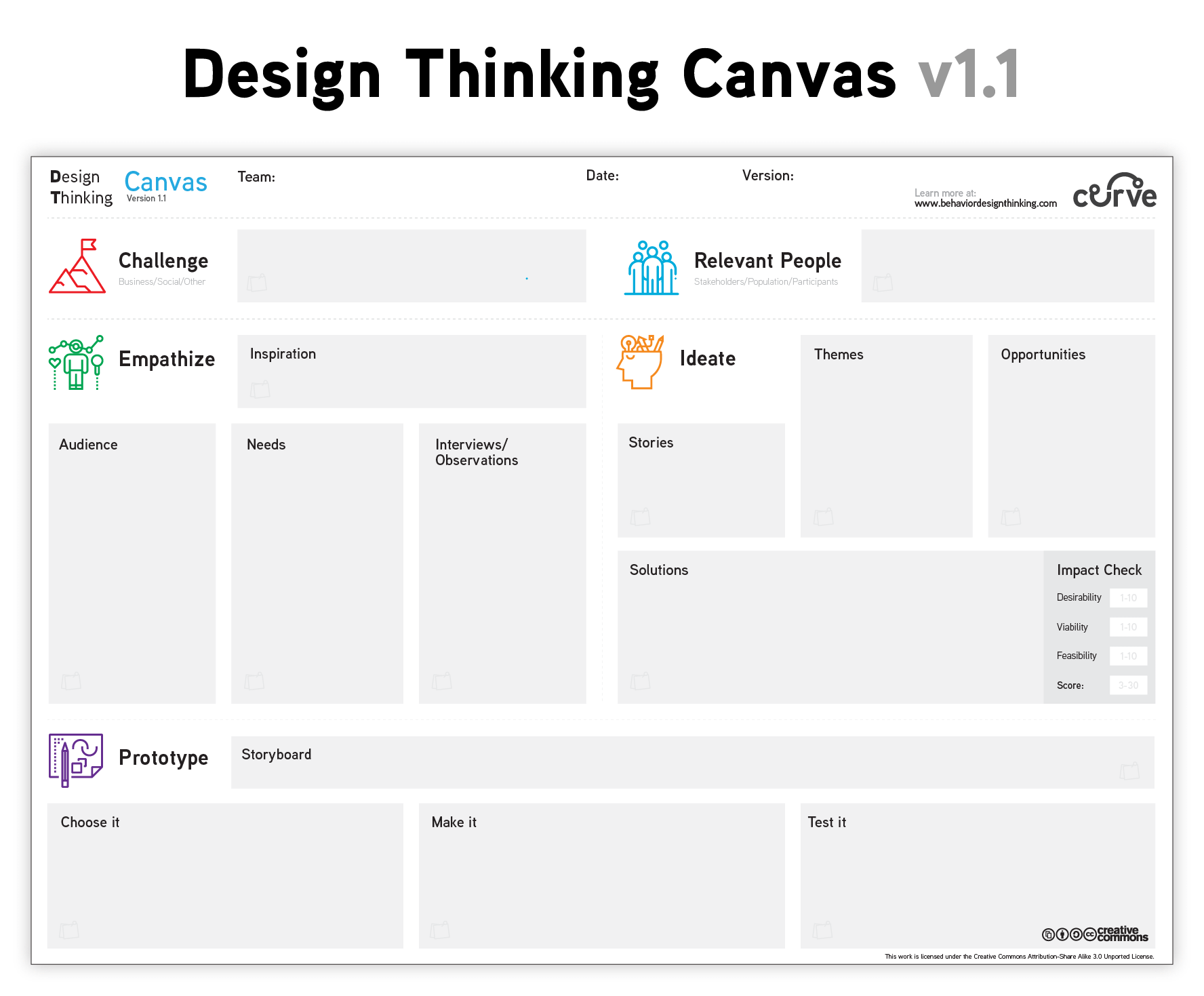
The BehaviorUX Canvas and companion toolbox are still free. No email gate. Use them with your team, adapt them, and see where the behavioral questions change the conversation.
Research, translated for product work
Seventeen field notes on what the evidence means when you have to decide what to build.
Bring me the behavior your team can’t explain yet.
The first call is 30 minutes. We’ll look at the problem, what evidence you have, and whether a focused sprint is the right next move.